
My Platforms
Housing: Protect Neighborhoods, Build Stability
San Diego doesn’t have a shortage of ideas, we have a system that produces the wrong outcomes. High fees, long timelines, and discretionary approvals make small projects unworkable and push the market toward large, institutional developments. That’s why we keep getting luxury and large scale projects instead of the “missing middle” housing residents actually need.
Legalize and scale “Missing Middle” housing:
Adapt SB-9 with a model similar to Austin’s very effective HOME reforms: allow duplexes, triplexes, and small multi-unit homes on existing residential lots.
Remove discretionary approvals for compliant projects, that normal residents can develop. If it meets the rules, it gets built.
Focus on ownership pathways, not just large rental supply (Midway rising)
Pre-approved Housing Plans (Fast Track Program)
Commission 10–20 pre-approved duplex/triplex/fourplex designs that fit neighborhood character (coastal, urban, suburban).
If a resident selects one of these plans, they receive accelerated permitting with predictable timelines.
Expand beyond ADUs into true small scale multi-unit housing.
Cut Time = Cut Cost
Set hard deadlines for permit review and approvals.
Reduce “soft costs” (fees, delays, consultant requirements) that make small projects impossible.
Publish permitting timelines and bottlenecks for accountability.
Rebalance Incentives (Stop Pay-to-Play)
Reduce reliance on density bonuses and negotiated concessions that favor large developers.
Shift incentives toward local builders, homeowners, and small investors.
Make it financially viable for a homeowner to add units—not just for billion-dollar firms to build towers.
Short-Term Rental Reform
Enforce strict limits modeled after leading cities to return units to the long-term market.
Prioritize primary residence use, not investor portfolios.
Why This Matters in District 2: Fixing housing means fixing the system: faster approvals, lower costs, clear rules, and real opportunities for residents to participate. San Diego should grow through incremental, community compatible housing, not just massive projects that require rolling out the red carpet for institutional investors.


Government Accountability: Audit Hard, Spend Better, Restore Trust
San Diego’s budget problems are not just about revenue. They are about weak accountability, slow correction, and a political habit of pushing the consequences onto residents through new fees. The city approves bloated, imbalanced budgets, protects administrative excess, and then turns around and asks residents to cover the gap through more fees, higher costs, and worse service. Under the strong mayor system, power is concentrated at the top. In that structure, the City Auditor is one of the only real checks on incompetence, waste, and self protection inside City Hall. Cutting or sidelining that office while deficits grow is backwards and unacceptable.
Go after the real budget pressure
Audit middle management growth and pension-heavy administrative layers.
Stop pretending the city’s budget crisis came out of nowhere. It came from bad incentives, weak discipline, and years of protecting the wrong costs.
Redirect money toward infrastructure, frontline workers, and services people actually use.
Fully fund the City Auditor
Increase funding for the City Auditor instead of cutting it, and use that office aggressively to save the city money.
Audit high-spend, high-failure areas like homelessness, infrastructure delivery, contract management, and administrative overhead.
Stop treating oversight as optional.
End autopilot budgeting
No more funding programs just because they already exist.
Every major program should justify itself with measurable results.
If it is not working, it gets fixed, cut, or replaced.
Stop balancing the city on the backs of residents
Oppose the pattern of approving irresponsible budgets, then scrambling for new fees to patch the hole.
Residents should not be punished for the city’s inability to govern itself.
Spending reform comes first. Revenue discussions come after that.
Force real transparency
Public dashboards for spending, contracts, project delivery, and program outcomes.
Honest numbers, not manipulated stats and self-congratulation.
If the city claims something is working, it should be able to prove it clearly and publicly.
Why This Matters in District 2: Right now, City Hall is too comfortable failing upward. Oversight is weak, accountability is inconsistent, and residents are expected to absorb the cost. I will push the opposite approach: stronger audits, harder scrutiny, clearer data, and a government that has to earn the public’s trust instead of demanding it.
Homelessness: Results, Not Just Spending
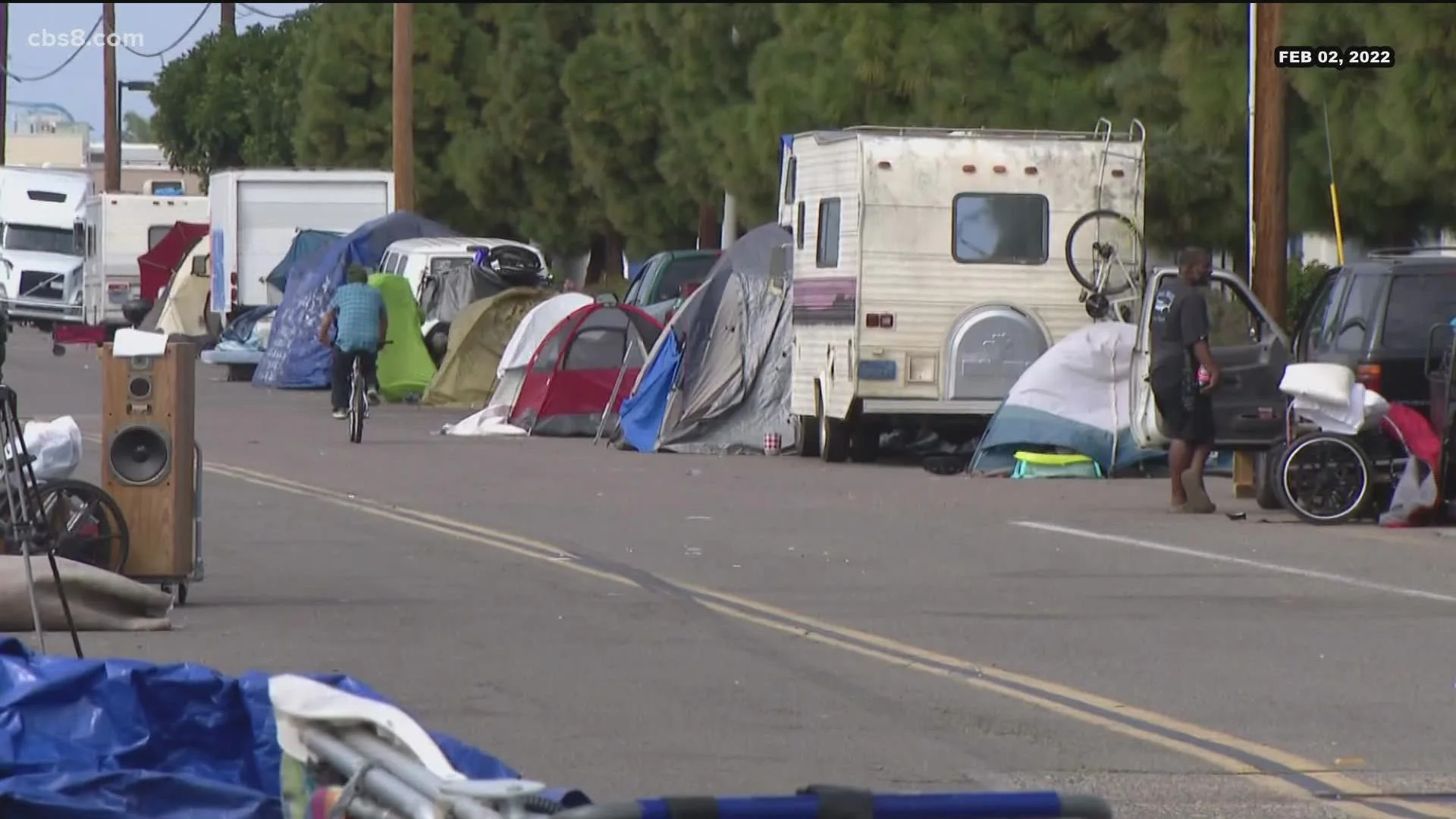
San Diego doesn’t just have a homelessness problem, we have a system that spends heavily without clearly proving what works. Funding is fragmented across departments, agencies, and nonprofits, and success is often measured by activity, not outcomes. That’s how we can spend over $100 million a year and still see persistent encampments in places like Ocean Beach.
The Homelessness Scorecard (Tie Funding to Results)
Create a public, standardized scorecard to track results for every city funded homelessness program.
Track real outcomes: long-term housing placements, returns to homelessness, and cost per success, not just services delivered.
Tie funding directly to performance: scale what works, fix or defund what doesn’t.
Consolidate Oversight (Make Spending Transparent)
Require a clear, unified report of total homelessness spending across all departments and partners.
Use the City Auditor to regularly review programs, contracts, and outcomes.
Eliminate fragmentation so the public can actually see where money goes and what it achieves.
Prioritize Transitional Pathways That Work
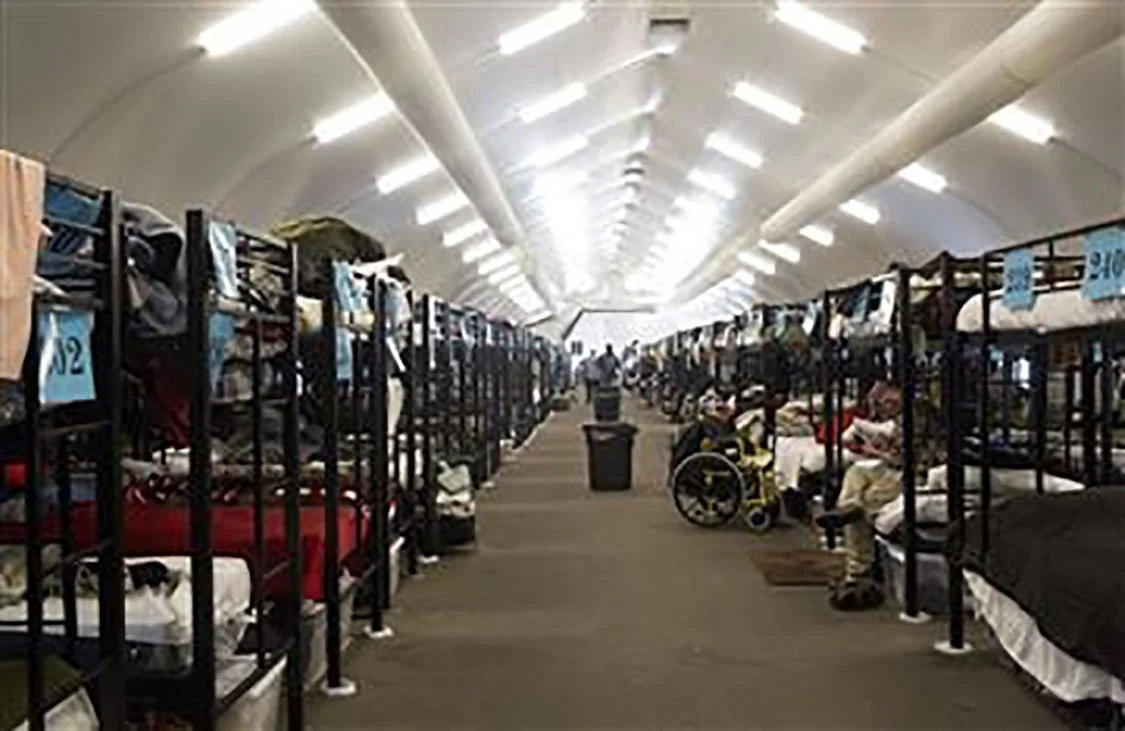
Expand safe parking and structured transitional programs for people actively trying to stabilize and return to housing.
Pair shelter and transitional spaces with case management, job placement, and treatment access.
Focus resources on pathways that move people off the street long-term.
Enforce Public Space Standards with Clear Rules
Support consistent, humane enforcement of laws around unsafe encampments and public drug use.
Pair enforcement with real alternatives, shelter, services, and relocation options.
Maintain public spaces so they remain safe and usable for everyone.
Stop One-Size-Fits-All Spending
Different populations need different solutions: families, veterans, and chronically homeless individuals require different strategies.
Shift away from blanket program funding toward targeted, outcome-driven approaches.
Why This Matters in District 2: Our coastal Culture relies on safe, clean, relaxing neighborhoods. Right now, we have a system that distributes money without enough accountability. That’s not compassion, that’s avoidance. Real compassion means being honest about results and willing to change course.
Livability & Infrastructure: Deliver More Per Dollar
From potholes in Clairemont to parking chaos in Midway, basic services are failing. I'll focus Council's budgetary and oversight roles on street-level fixes.
Infrastructure-First Budgeting (Reprioritize Spending)
Shift budget priorities toward roads, sidewalks, drainage, and core maintenance before expanding programs.
Audit administrative growth and redirect funds to frontline infrastructure.
Tie infrastructure spending to measurable outputs, lane miles repaired, response times, and cost per project.
Maximize Output Per Tax Dollar
Expand use of competitive bidding and project tracking to reduce waste.
Set clear performance benchmarks for infrastructure projects: cost, speed, and durability.
Demand transparency on what we’re actually getting for the money, not just what is budgeted.
Fix Permitting Bottlenecks (Faster Repairs & Upgrades)
Reform permitting for repairs, small upgrades, and safety improvements to reduce delays.
Create accelerated pathways for projects that improve livability, sidewalk fixes, traffic calming, and small-scale infrastructure.
Cut unnecessary process steps that slow down basic improvements.
Stop Using Fees as a First Resort
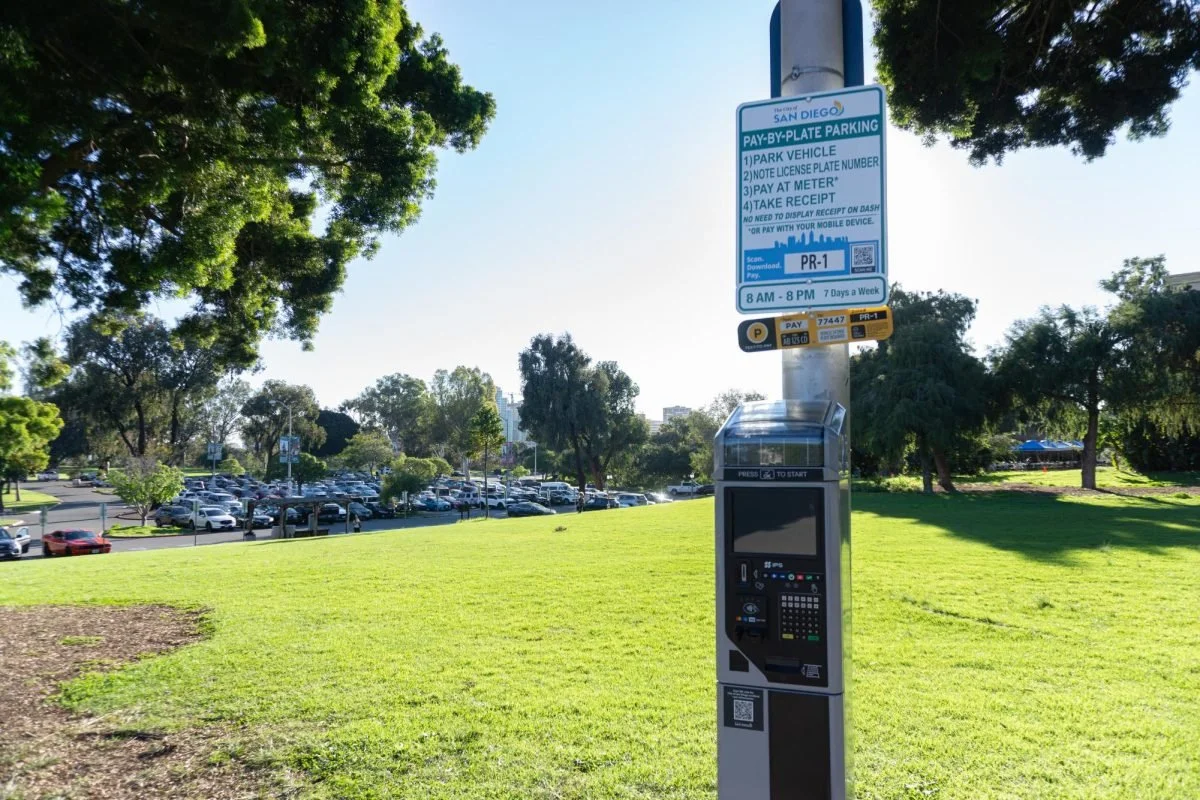
Oppose expanding user fees for basic public access, like parking in core public spaces, especially without first demonstrating spending discipline.
Focus on growing revenue through economic activity and efficient asset use, not squeezing residents.
Align revenue strategy with long-term infrastructure investment, not short-term budget patches.
Target High-Impact Problem Areas
Prioritize neighborhoods with consistent infrastructure complaints, Clairemont, Midway, coastal corridors.
Address parking, congestion, and safety issues with practical fixes, not blanket policies.
Improve coordination between departments so problems get solved once, not repeatedly.
Why This Matters in District 2: Right now, residents are paying more but seeing inconsistent results. That’s not sustainable. Livability starts with infrastructure, and infrastructure requires discipline. San Diego should deliver more infrastructure per dollar, fewer delays, and fewer excuses.
Energy and Cost of Living: Lower Burdens Responsibly
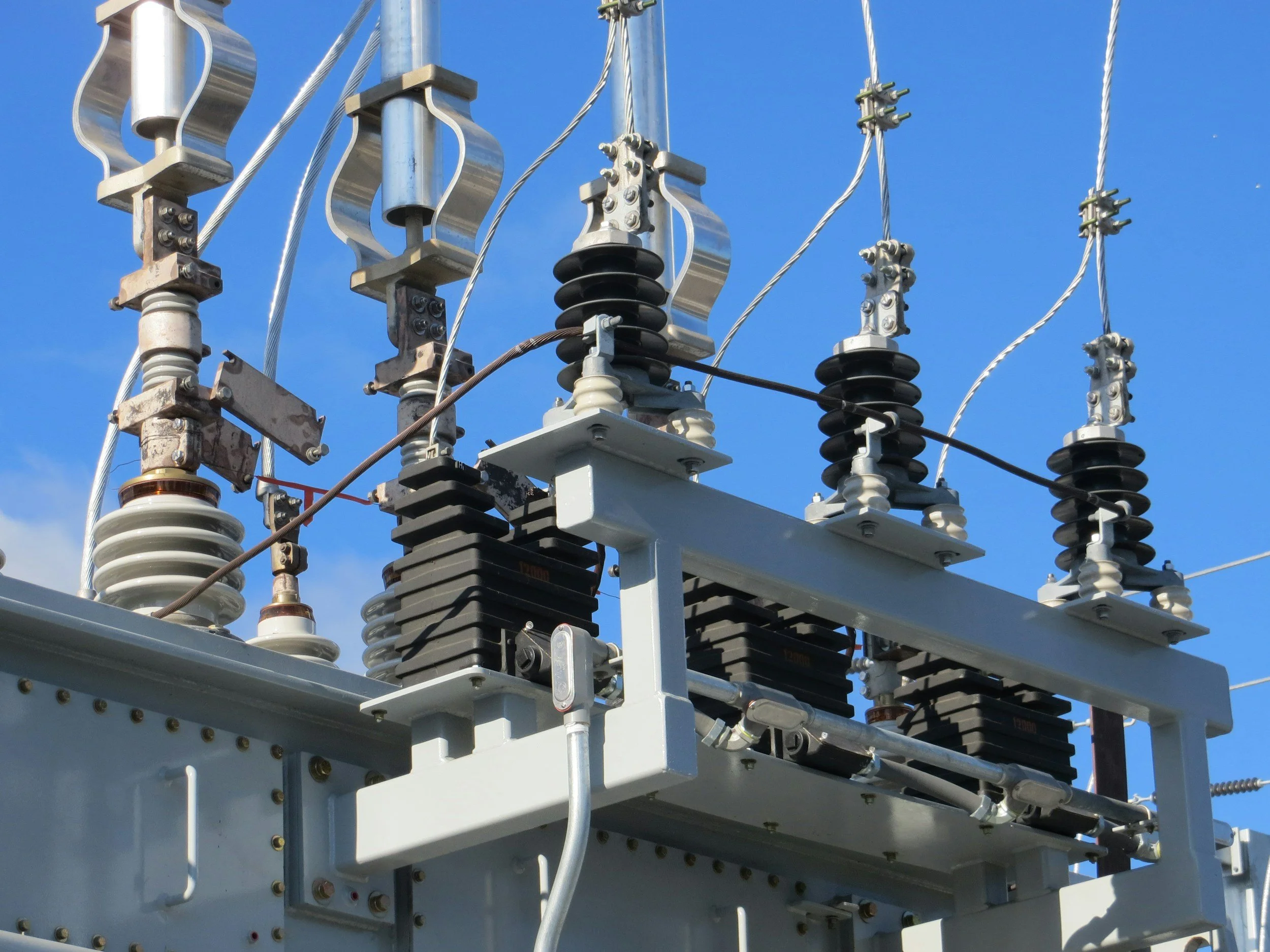
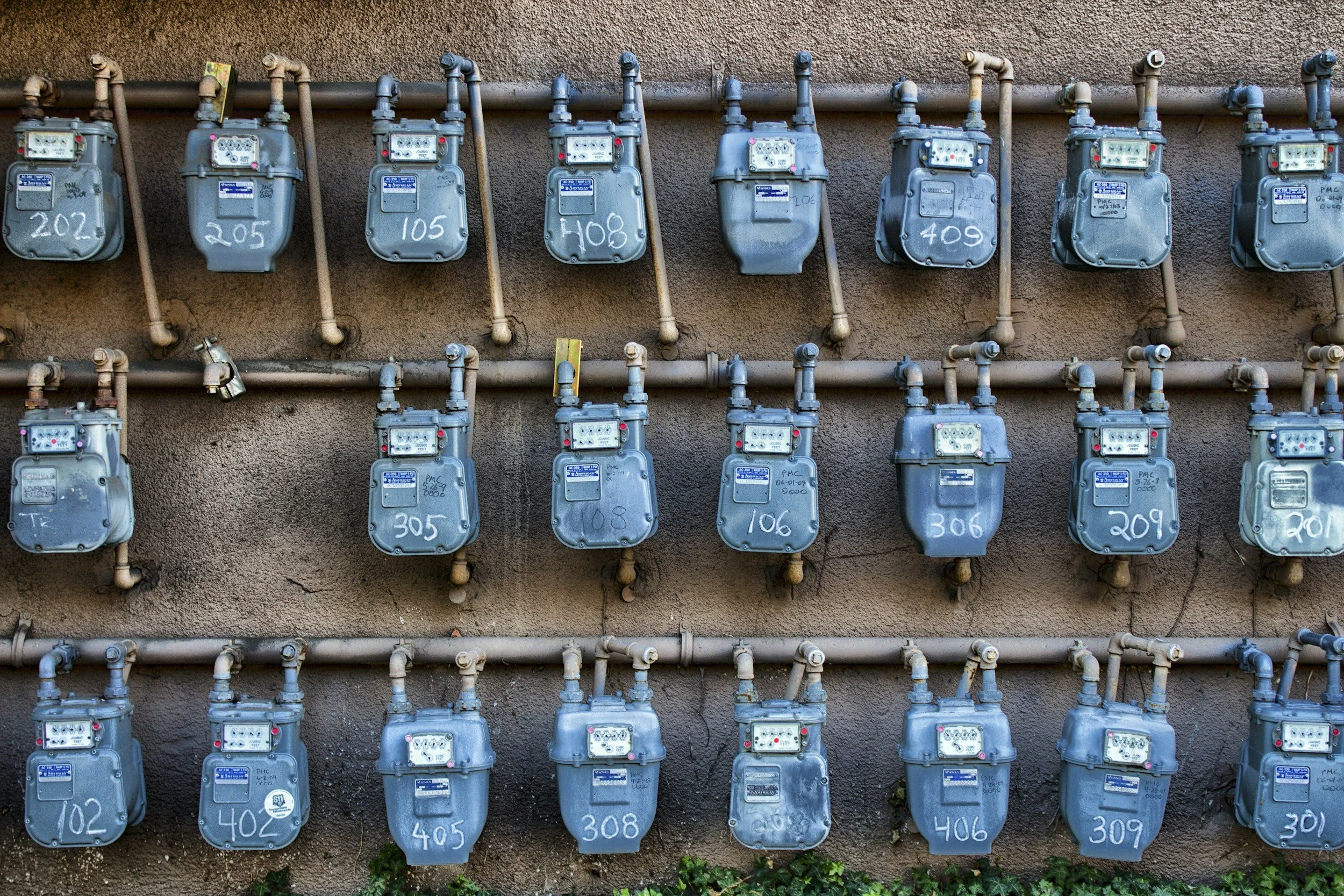
San Diego residents face some of the highest utility rates in the country, and they keep rising. Recent increases from SDG&E have added to already high delivery charges, while wildfire mitigation costs, and grid upgrades continue to be passed directly to ratepayers. Families in District 2 are being squeezed without clear relief.
Enforce Real Oversight of SDG&E
Use Council authority to demand more frequent and detailed audits of SDG&E’s performance under the franchise agreement
Require clear breakdowns of rate increases and where funds are actually going
Highlight inefficiencies and push back on cost structures that do not benefit ratepayers
Strengthen Franchise Leverage
Use future franchise negotiations and review periods to push for stronger terms
Advocate for ratepayer protections such as rebates, credits, and performance-based requirements
Ensure the city is negotiating from a position of strength, not passively accepting increases
Expand Local Energy Solutions
Support faster permitting and incentives for home solar adoption
Pilot small-scale resilience solutions such as portable or backup solar for outage prone areas
Expand access to community solar and shared energy programs so renters and lower-income households can participate
Advocate at the State Level Where It Matters
Push for stronger ratepayer protections through the CPUC and San Diego Community Power
Advocate for policies that reduce the burden on low-usage and working households
Ensure local voices are actively represented in decisions that impact rates
Why This Matters in District 2: We have a system where residents are not just absorbing costs, but are protected from them. Right now, the city reacts to rate increases instead of challenging them. That needs to change. Lowering cost of living means using every tool available to demand transparency, improve efficiency, and give residents real options to reduce their bills.
Public Safety: Safety With Real Accountability
District 2 needs safe streets, safe beaches, and safe neighborhoods. It also needs a city government that does not treat broad surveillance as a substitute for competent policing. San Diego already has a local oversight structure through the TRUST Ordinance, annual surveillance reports, and the Privacy Advisory Board. The problem is that the city keeps authorizing powerful tools first, then arguing about safeguards later.
Audit surveillance before renewal
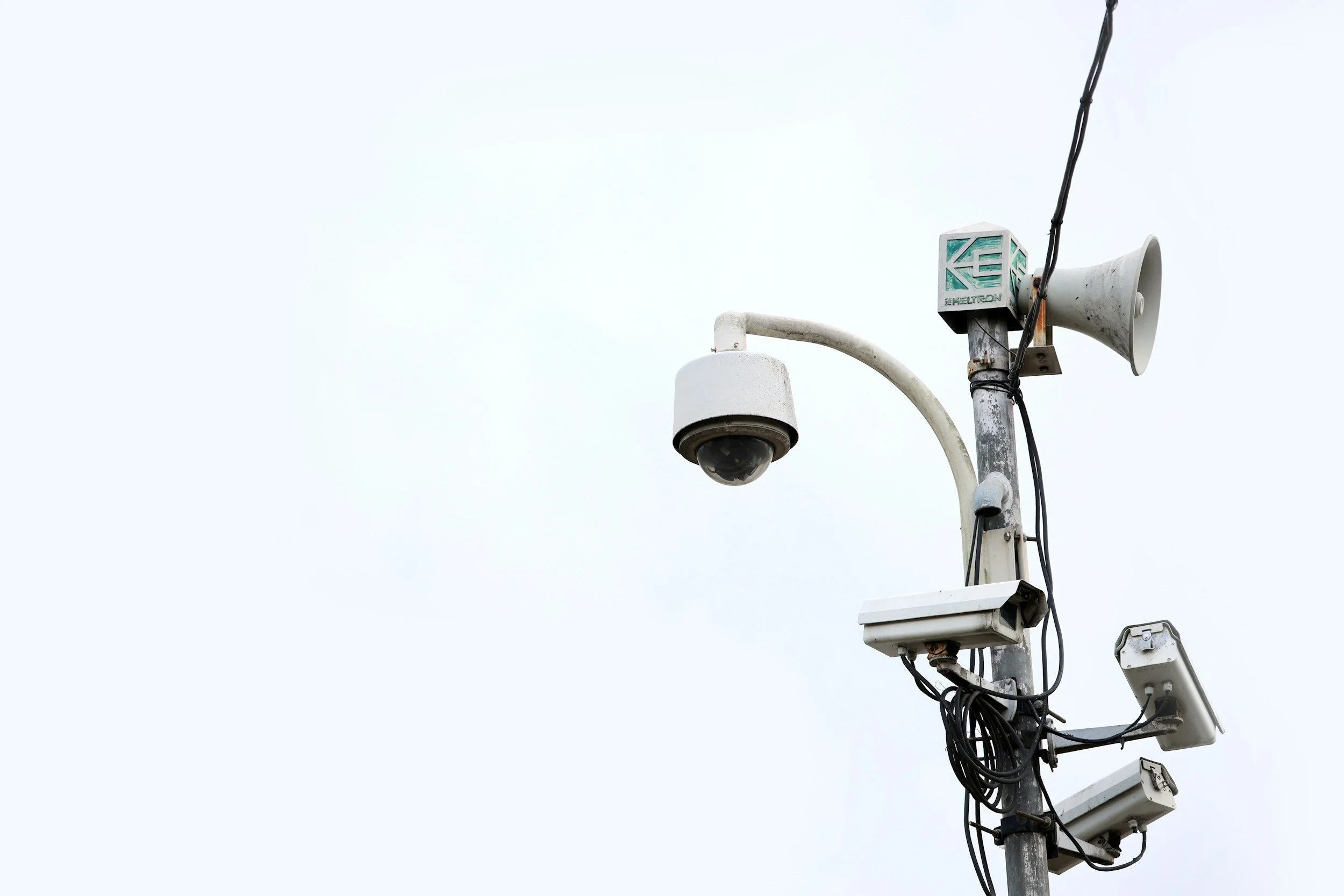
Require independent audits of ALPRs, Smart Streetlights, and any AI assisted surveillance before reauthorization.
Review data retention, outside access, sharing practices, cybersecurity, and whether the tool is actually producing measurable public safety benefits.
End the habit of renewing surveillance based on vague promises.
Tighten the rules on ALPRs
Push stricter local limits on data access, shorter deletion timelines where legally feasible, and clear public reporting on use, hits, and outcomes.
Oppose routine expansion of data sharing beyond what state law and local policy require. California’s SB 34 already sets rules for ALPR sharing, and the city should be more restrictive where it can be.
Ban facial recognition use by the city
San Diego’s current ALPR and Smart Streetlight use policies say facial recognition will not be used with those systems. I would go further and support a clear city ban on procurement or use of facial recognition for public safety purposes.
Pair enforcement with standards and services
Public drug use, unsafe encampments, and disorder in shared spaces should not be ignored.
Support clear enforcement standards for quality of life issues, but pair them with outreach, treatment access, and shelter options so enforcement is structured and humane.
Public safety has to protect both civil liberties and basic use of public space.
Fund trust, not just tools
Put more emphasis on training, community facing policing, and transparency instead of relying on mass data collection as a shortcut.
Technology should support competent policing, not replace judgment or public trust.
Why This Matters in District 2: Beach and tourist areas need visible safety, but residents value privacy and fairness. This uses Council's oversight and legislative powers to enhance real security while protecting civil liberties. I’ll be different from the status quo's continuation of broad surveillance without enough checks.